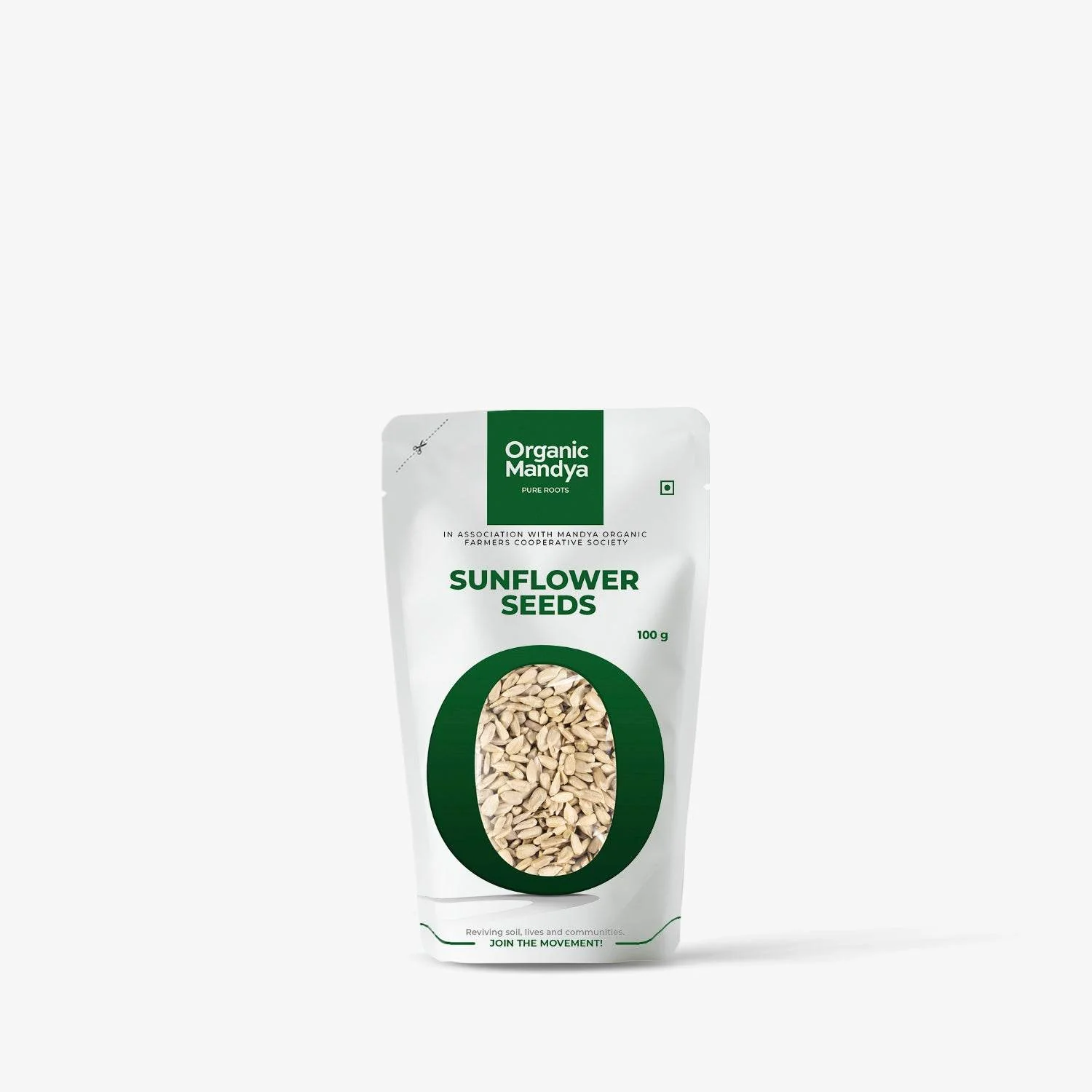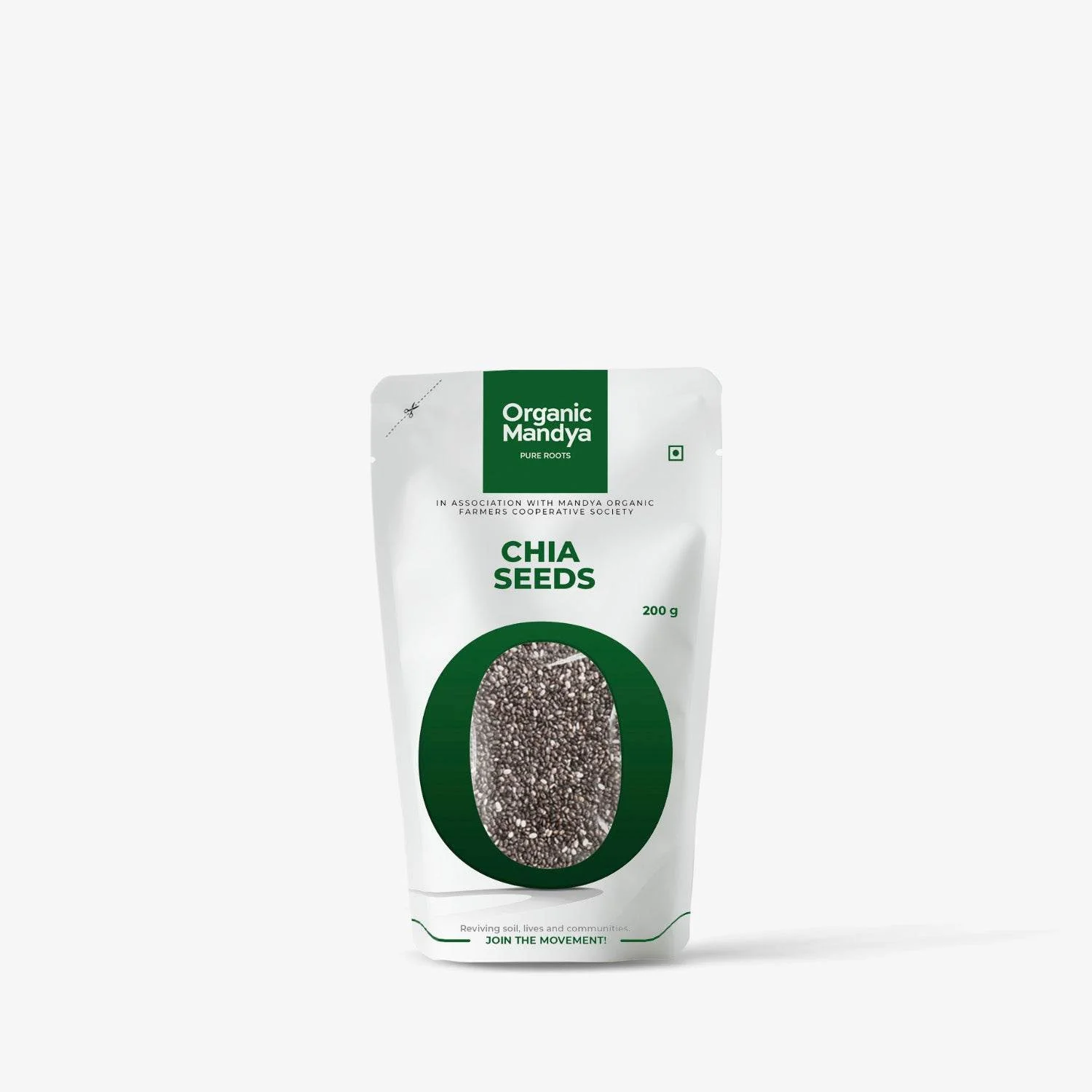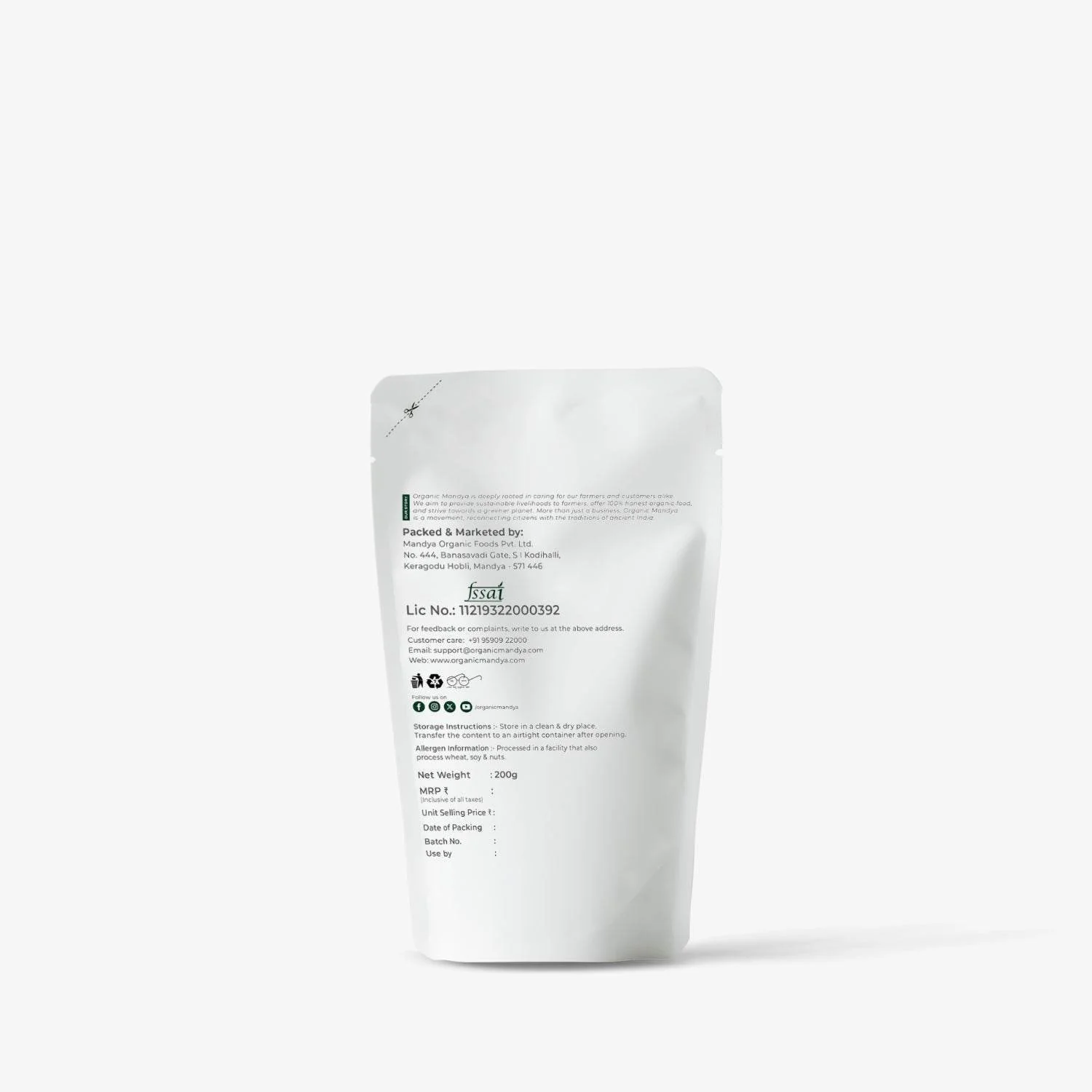
Organic Sabja Seeds (Basil Seeds) for Weight Loss & Digestion
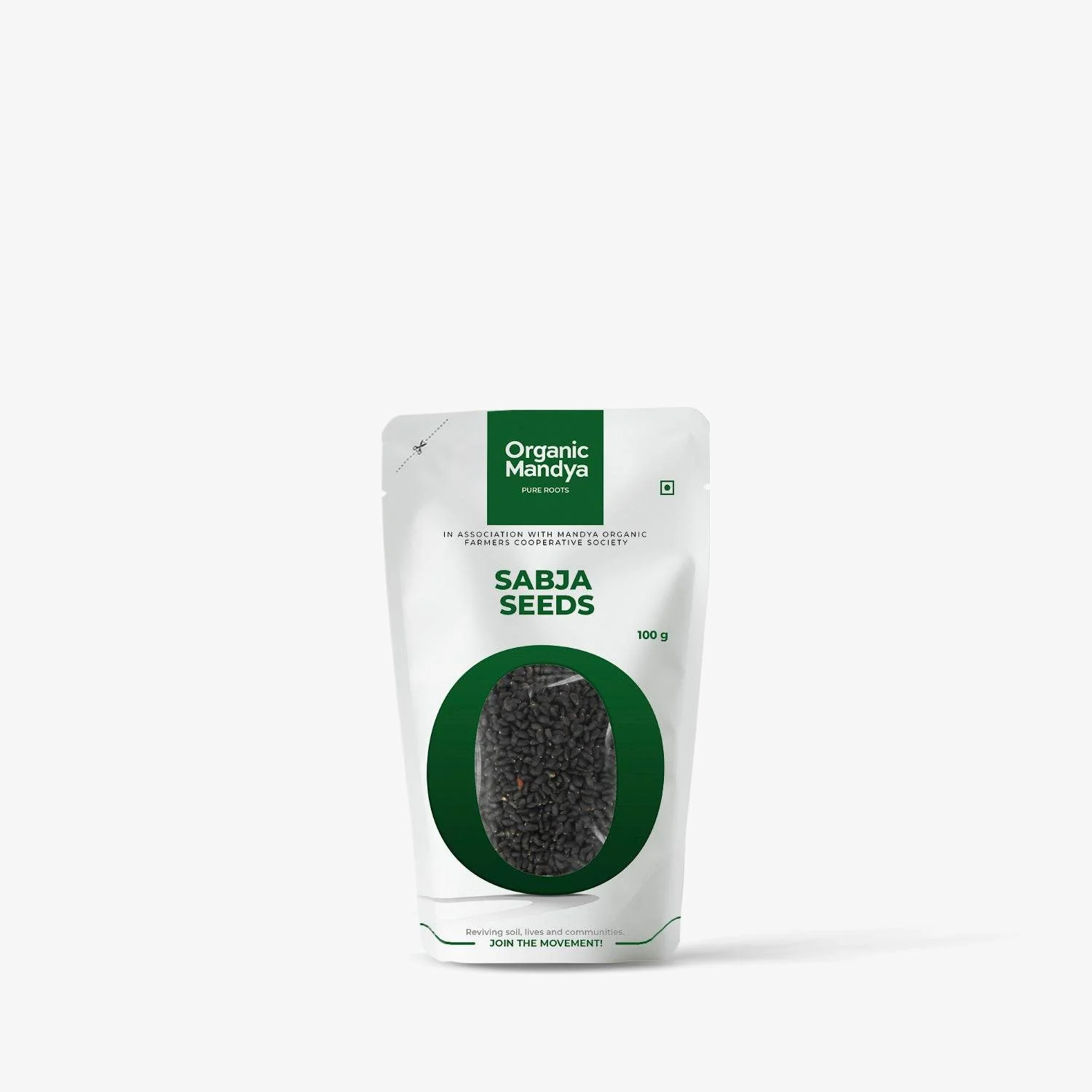
Experience the natural goodness of Sabja Seeds (basil seeds)and incorporate them into your diet for a nutritious boost. Embrace the benefits of our Organic Mandya Sabja Seeds and enjoy their unique texture and healthful properties in every serving.
Pure Basil Seeds vs. Regular Chia Seeds
Experience the superior health benefits of nutrient-dense Sabja Seeds (basil seeds)
| Feature | Pure Organic Mandya Basil Seeds | Regular Chia Seeds |
|---|---|---|
| Source / Ingredients | Direct from Organic Mandya | Often filled with additives |
| Preparation Method | Traditional slow-processing methods | Mass-market industrial processing |
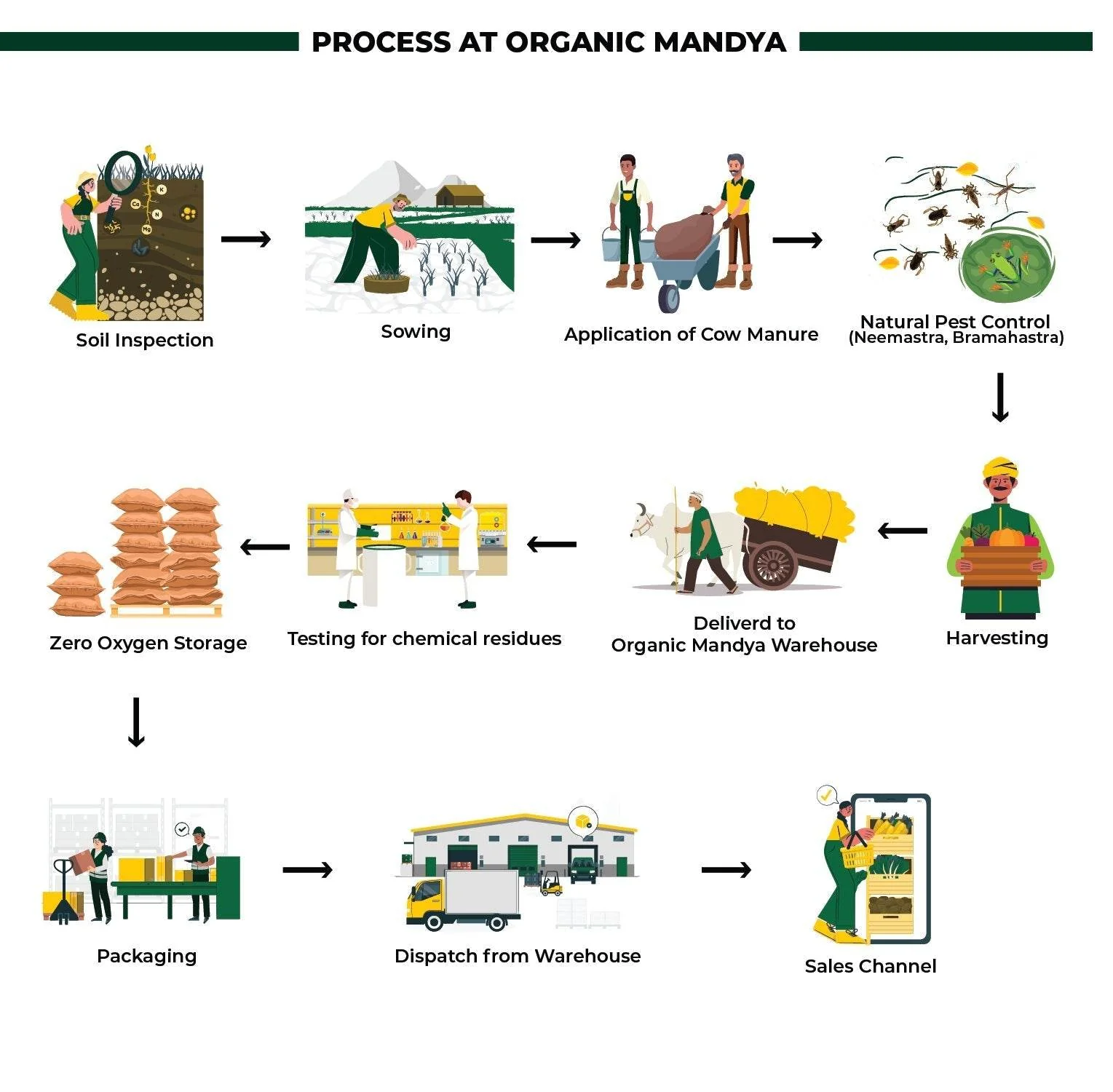
| Quality & Purity | Lab-tested, no chemicals | Standard commercial grade |
| Overall Experience | Unique taste, high health ROI | Average taste, digestive discomfort |
SABJA SEEDS NUTRITION (PER 100G)
Sabja (sweet basil) seeds are a high-fibre, plant-protein superfood. Typical values per 100g:
|
Per 100 |
Amount |
|
Energy |
473 kcal |
|
Protein |
20 g |
|
Dietary fibre |
40 g |
|
Total fat (incl. omega-3) |
25 g |
|
Carbohydrate |
42 g |
|
Iron |
2.3 mg |
|
Magnesium |
32 mg |
SABJA VS CHIA SEEDS: WHAT'S THE DIFFERENCE?
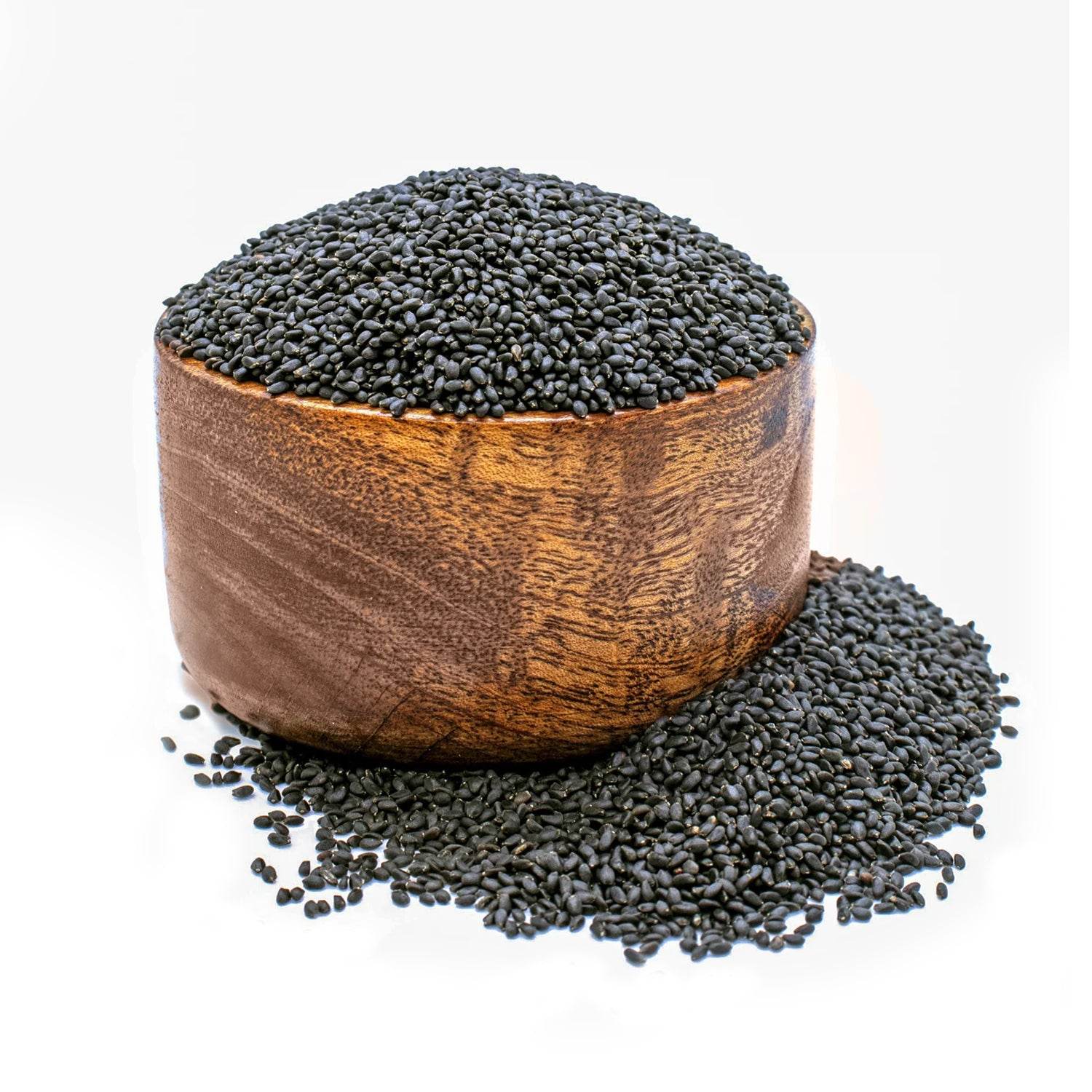
They look similar but come from different plants. Sabja (sweet basil, Ocimum basilicum) is black, teardrop-shaped, and must be soaked before eating - it swells within minutes. Chia (Salvia hispanica) is greyish, can be eaten dry or soaked, and swells more slowly. Both are rich in fibre and omega-3; sabja is prized in India as a natural body coolant for summer.
HOW MUCH SABJA TO EAT & THE BEST TIME
About 1-2 teaspoons (up to ~1 tablespoon) of soaked seeds once a day suits most adults. Soak in water for 5-10 minutes until they turn gel-like, then add to water, lemonade, falooda, smoothies or yoghurt. Many people take them mid-morning or before meals to help feel full.
SIDE EFFECTS & WHO SHOULD BE CAREFUL
- Always soak before eating. Dry seeds can swell in the throat and are a choking risk - especially for children.
- Because they're very high in fibre, too much at once may cause bloating or loose stools. Start small and drink enough water.
- If you're pregnant, scheduled for surgery, or on blood-thinning medication,
Check with your doctor first.
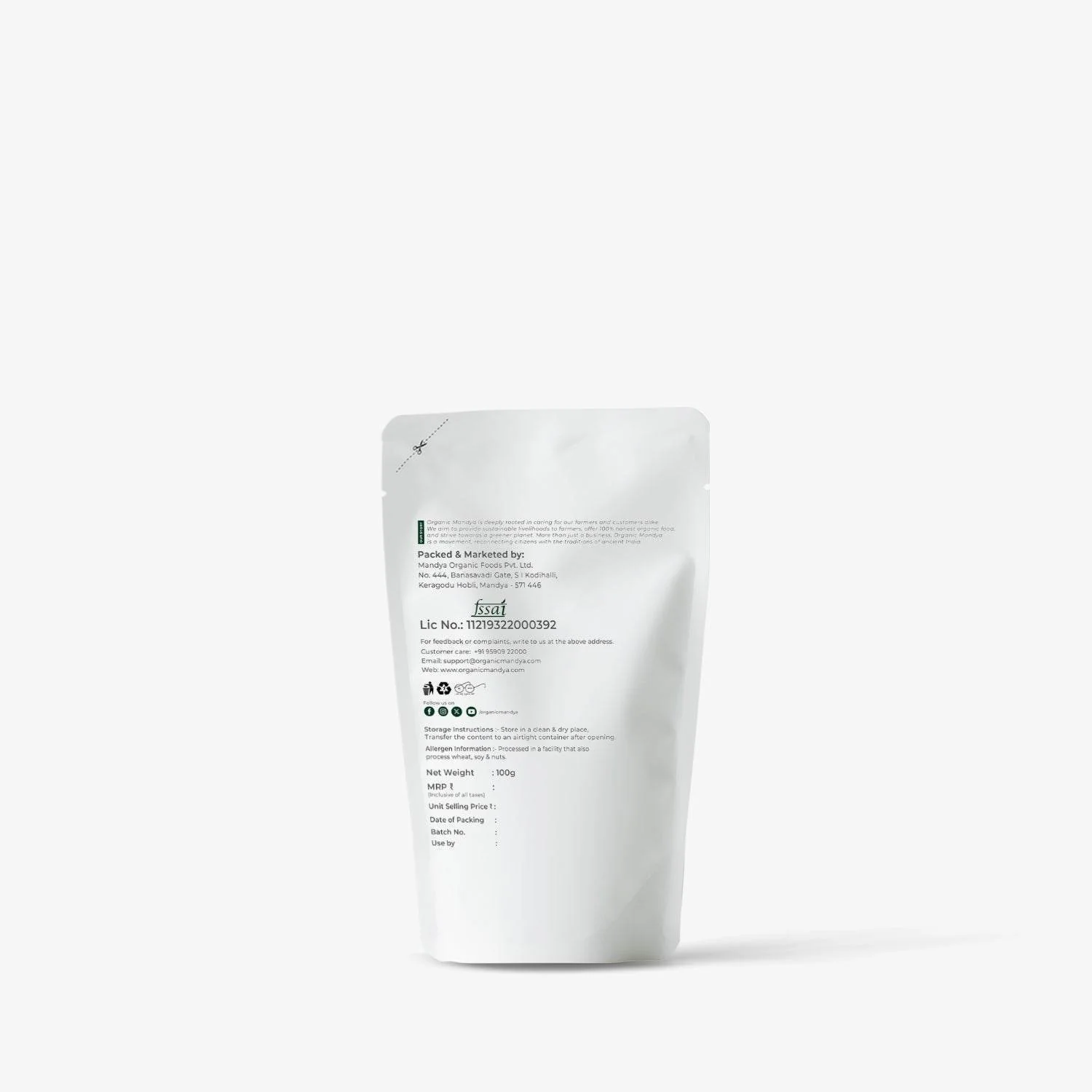
PRODUCT DETAILS
|
Net weight |
100 g |
|
Ingredients |
100% organic basil (sabja) seed |
|
Origin |
India months |
|
Storage |
Cool, dry place, away from direct sunlight |
Product Information
Product Information
Shipping & Returns
Shipping & Returns

Organic Sabja Seeds (Basil Seeds) for Weight Loss & Digestion
Organic Sabja Seeds (Basil Seeds) for Weight Loss & Digestion
Experience the natural goodness of Sabja Seeds (basil seeds)and incorporate them into your diet for a nutritious boost. Embrace the benefits of our Organic Mandya Sabja Seeds and enjoy their unique texture and healthful properties in every serving.
Pure Basil Seeds vs. Regular Chia Seeds
Experience the superior health benefits of nutrient-dense Sabja Seeds (basil seeds)
| Feature | Pure Organic Mandya Basil Seeds | Regular Chia Seeds |
|---|---|---|
| Source / Ingredients | Direct from Organic Mandya | Often filled with additives |
| Preparation Method | Traditional slow-processing methods | Mass-market industrial processing |
| Quality & Purity | Lab-tested, no chemicals | Standard commercial grade |
| Overall Experience | Unique taste, high health ROI | Average taste, digestive discomfort |
SABJA SEEDS NUTRITION (PER 100G)
Sabja (sweet basil) seeds are a high-fibre, plant-protein superfood. Typical values per 100g:
|
Per 100 |
Amount |
|
Energy |
473 kcal |
|
Protein |
20 g |
|
Dietary fibre |
40 g |
|
Total fat (incl. omega-3) |
25 g |
|
Carbohydrate |
42 g |
|
Iron |
2.3 mg |
|
Magnesium |
32 mg |
SABJA VS CHIA SEEDS: WHAT'S THE DIFFERENCE?
They look similar but come from different plants. Sabja (sweet basil, Ocimum basilicum) is black, teardrop-shaped, and must be soaked before eating - it swells within minutes. Chia (Salvia hispanica) is greyish, can be eaten dry or soaked, and swells more slowly. Both are rich in fibre and omega-3; sabja is prized in India as a natural body coolant for summer.
HOW MUCH SABJA TO EAT & THE BEST TIME
About 1-2 teaspoons (up to ~1 tablespoon) of soaked seeds once a day suits most adults. Soak in water for 5-10 minutes until they turn gel-like, then add to water, lemonade, falooda, smoothies or yoghurt. Many people take them mid-morning or before meals to help feel full.
SIDE EFFECTS & WHO SHOULD BE CAREFUL
- Always soak before eating. Dry seeds can swell in the throat and are a choking risk - especially for children.
- Because they're very high in fibre, too much at once may cause bloating or loose stools. Start small and drink enough water.
- If you're pregnant, scheduled for surgery, or on blood-thinning medication,
Check with your doctor first.
PRODUCT DETAILS
|
Net weight |
100 g |
|
Ingredients |
100% organic basil (sabja) seed |
|
Origin |
India months |
|
Storage |
Cool, dry place, away from direct sunlight |
Original: $90.00
-65%$90.00
$31.50Product Information
Product Information
Shipping & Returns
Shipping & Returns
Description
Experience the natural goodness of Sabja Seeds (basil seeds)and incorporate them into your diet for a nutritious boost. Embrace the benefits of our Organic Mandya Sabja Seeds and enjoy their unique texture and healthful properties in every serving.
Pure Basil Seeds vs. Regular Chia Seeds
Experience the superior health benefits of nutrient-dense Sabja Seeds (basil seeds)
| Feature | Pure Organic Mandya Basil Seeds | Regular Chia Seeds |
|---|---|---|
| Source / Ingredients | Direct from Organic Mandya | Often filled with additives |
| Preparation Method | Traditional slow-processing methods | Mass-market industrial processing |
| Quality & Purity | Lab-tested, no chemicals | Standard commercial grade |
| Overall Experience | Unique taste, high health ROI | Average taste, digestive discomfort |
SABJA SEEDS NUTRITION (PER 100G)
Sabja (sweet basil) seeds are a high-fibre, plant-protein superfood. Typical values per 100g:
|
Per 100 |
Amount |
|
Energy |
473 kcal |
|
Protein |
20 g |
|
Dietary fibre |
40 g |
|
Total fat (incl. omega-3) |
25 g |
|
Carbohydrate |
42 g |
|
Iron |
2.3 mg |
|
Magnesium |
32 mg |
SABJA VS CHIA SEEDS: WHAT'S THE DIFFERENCE?
They look similar but come from different plants. Sabja (sweet basil, Ocimum basilicum) is black, teardrop-shaped, and must be soaked before eating - it swells within minutes. Chia (Salvia hispanica) is greyish, can be eaten dry or soaked, and swells more slowly. Both are rich in fibre and omega-3; sabja is prized in India as a natural body coolant for summer.
HOW MUCH SABJA TO EAT & THE BEST TIME
About 1-2 teaspoons (up to ~1 tablespoon) of soaked seeds once a day suits most adults. Soak in water for 5-10 minutes until they turn gel-like, then add to water, lemonade, falooda, smoothies or yoghurt. Many people take them mid-morning or before meals to help feel full.
SIDE EFFECTS & WHO SHOULD BE CAREFUL
- Always soak before eating. Dry seeds can swell in the throat and are a choking risk - especially for children.
- Because they're very high in fibre, too much at once may cause bloating or loose stools. Start small and drink enough water.
- If you're pregnant, scheduled for surgery, or on blood-thinning medication,
Check with your doctor first.
PRODUCT DETAILS
|
Net weight |
100 g |
|
Ingredients |
100% organic basil (sabja) seed |
|
Origin |
India months |
|
Storage |
Cool, dry place, away from direct sunlight |